How Salary Billing Cycles Create Gaps That Feel Like Income Plateaus
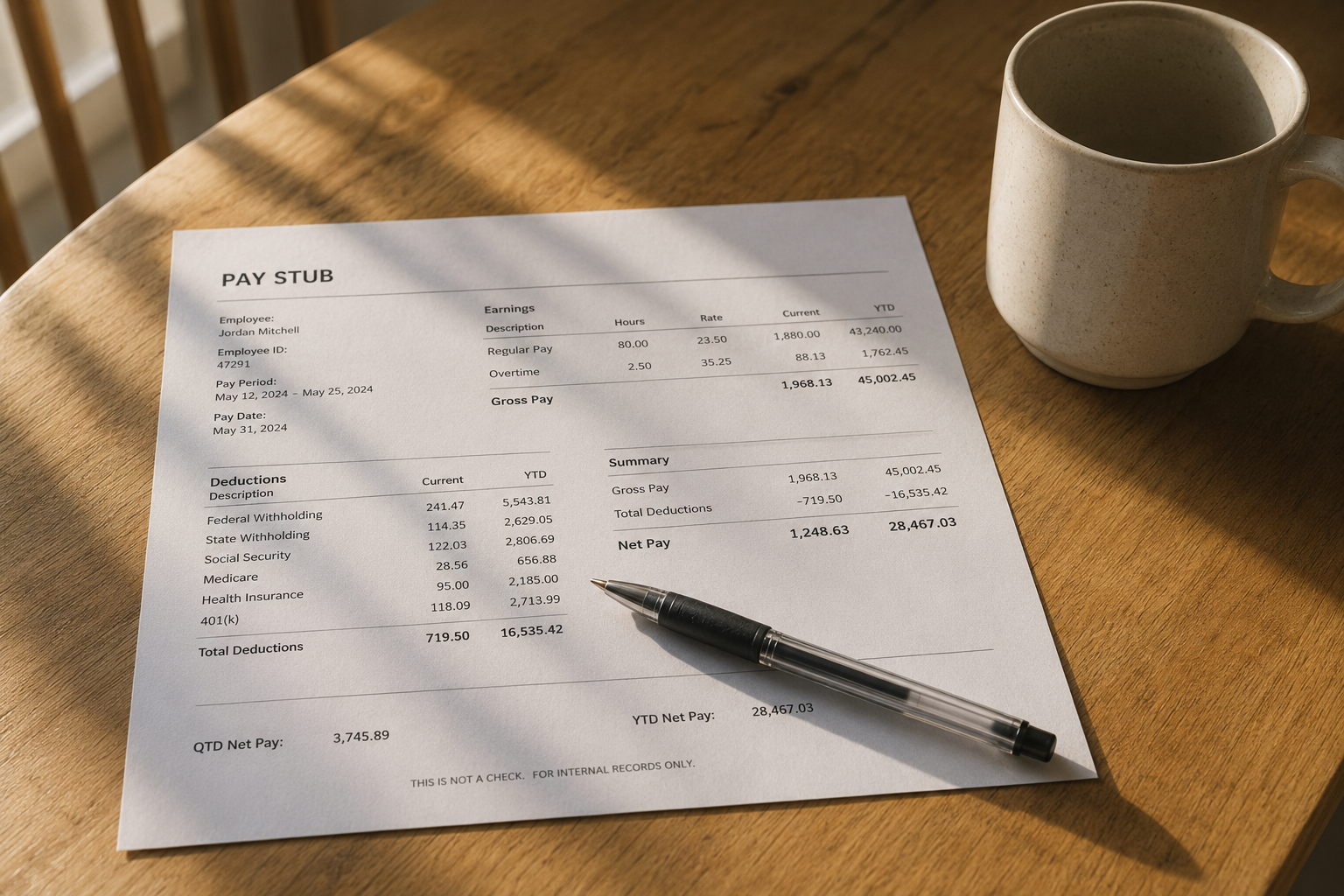
Your raise was confirmed, your offer letter updated — and yet your take-home pay barely moved. The answer isn’t your employer or the tax code alone; it’s the timing structure nobody explains to you.
Why Your Paycheck Feels Smaller Even Though Nothing Changed
Your direct deposit is the same number it’s always been — and yet the money runs out sooner than it used to, without a single obvious reason why.
The Hidden Costs That Make Experienced Employees Expensive — and What That Means for Your Job Security
Thirty years of loyalty built a compensation package that, in a restructuring, becomes the exact reason a role gets cut.
Why Your Tax Bill Keeps Getting Bigger Even When Your Income Stays the Same
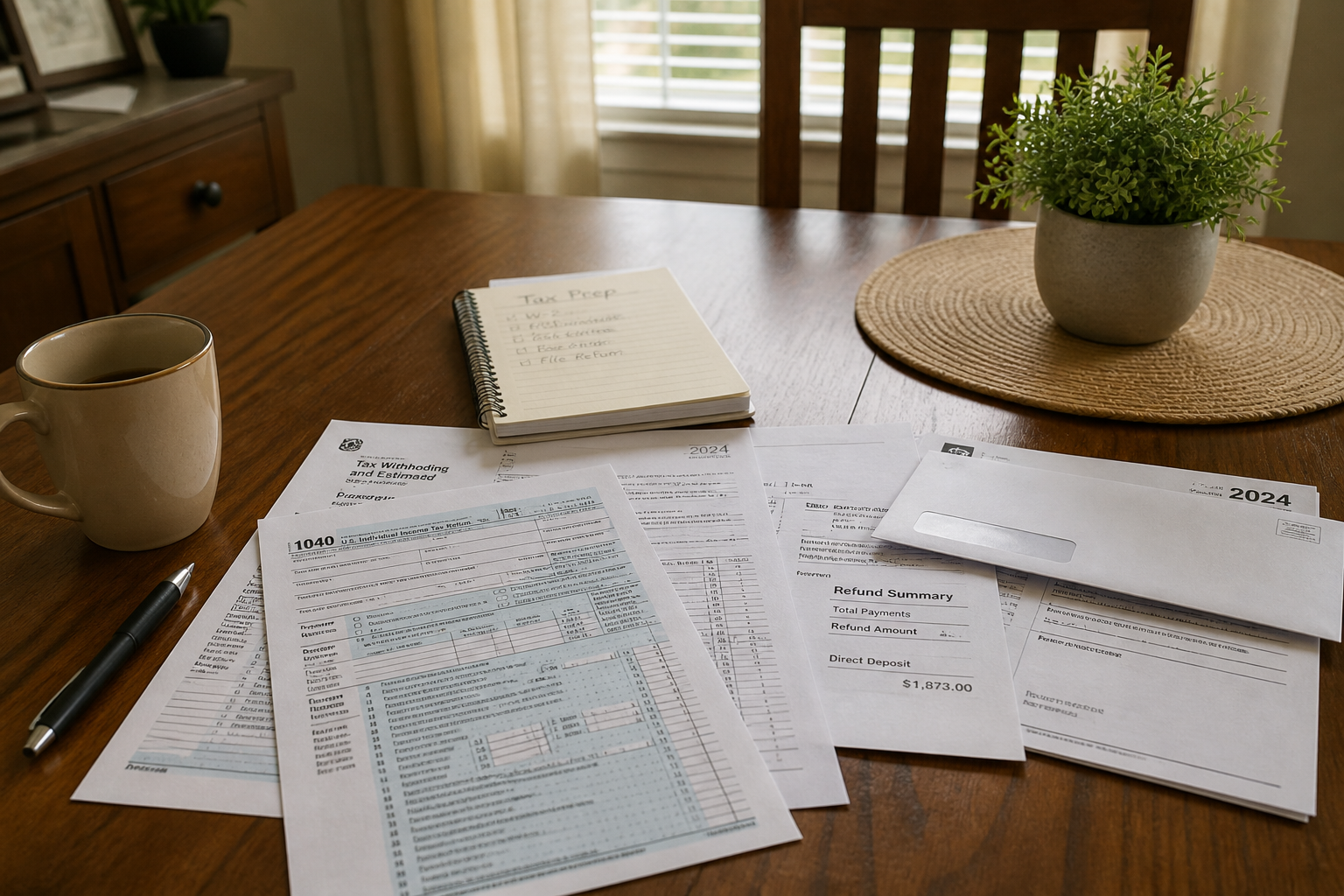
Your income barely moved, but your tax bill climbed again — and the reason has nothing to do with tax rates going up.

Home Insurance Rate Increase Mid-Policy: Why Your Bill Moved
The mortgage payment went up in March, months before the policy renewed. The cause is often an escrow adjustment or a coverage change rather than a true rate hike.
Why My Tax Refund Shrinks Every Year Even Though My Income Hasn’t Changed
Your paycheck looks the same, but your refund keeps shrinking. The real reason isn’t obvious—and it’s not just about income.
Why Your Car Insurance Premium Increased at Renewal Even With a Clean Record
Nothing on the driving record changed, yet the six-month renewal notice came in noticeably higher. The date the policy came due may explain more than the driver does.
Why My Doctor Visit Cost More This Year Even With the Same Insurance Plan
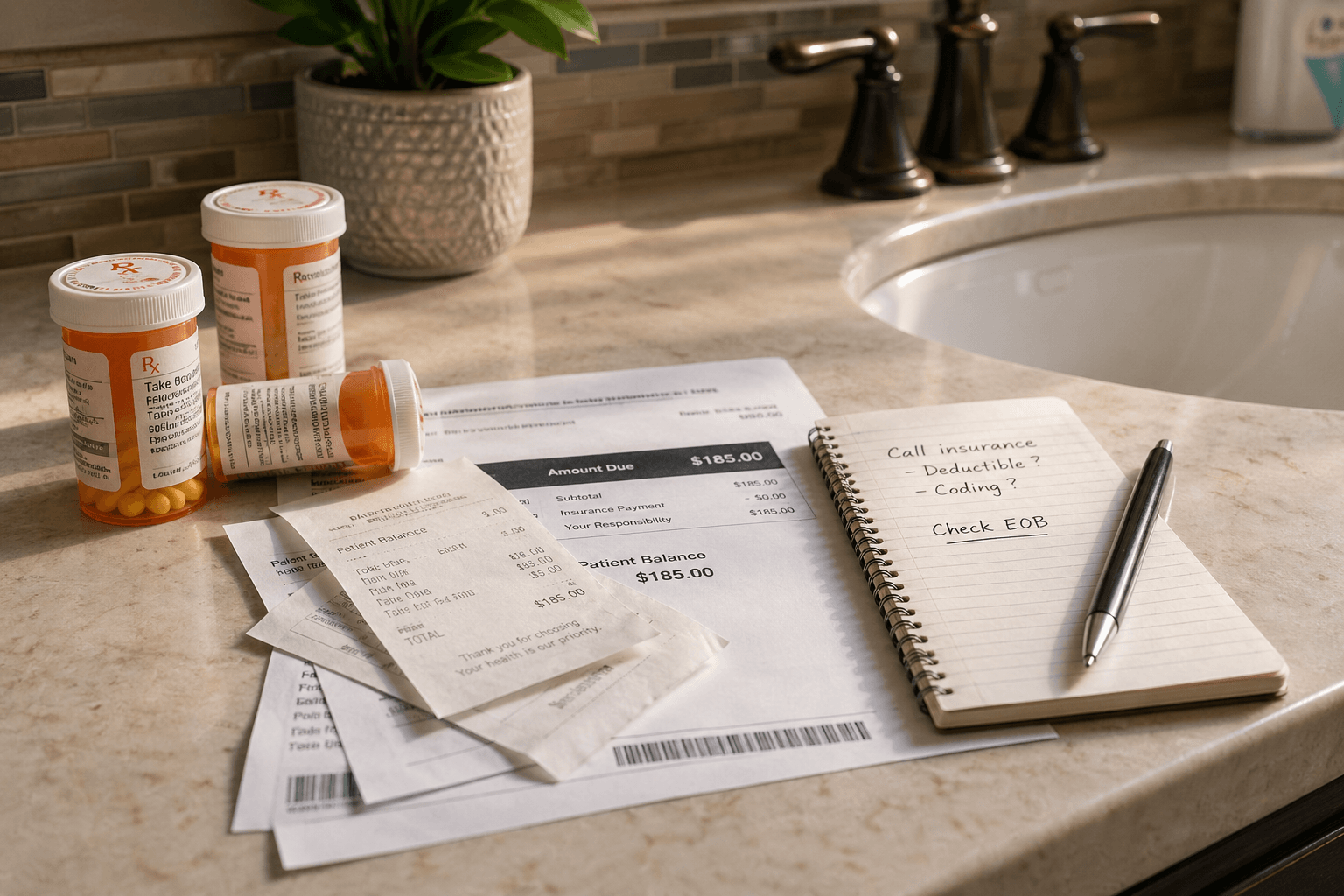
Same doctor, same insurance—but a higher bill. The difference often comes from small system changes most people don’t see.
Why Your 401(k) Contributions Quietly Increased After a Raise—and Why Your Take-Home Pay Feels Off
The raise looked good—until your paycheck arrived and felt almost the same. The gap usually isn’t a mistake, it’s how the system reallocates your income.
Why My Credit Card Balance Keeps Growing Even Though I Pay More Than the Minimum Each Month
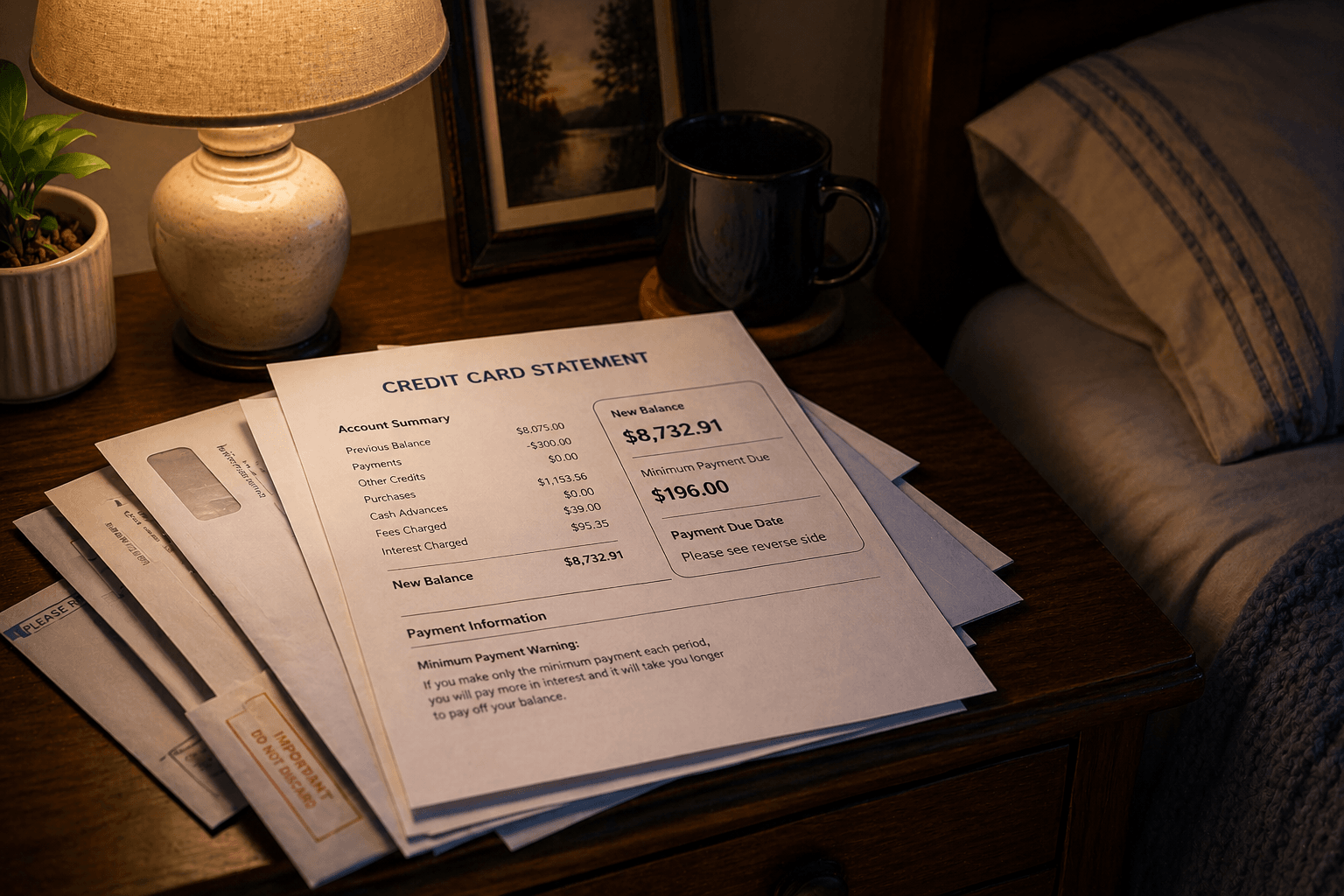
You’re paying more every month, yet the balance doesn’t move. That’s usually not a spending issue—it’s a cash flow problem.